
Master the Art of Whole Grain Cooking
Discover the complete guide to preparing, cooking, and enjoying whole grains. From selecting the right grain to perfecting your technique, learn everything you need to transform your kitchen into a whole grain haven.
The information on this site is for educational purposes only and does not constitute medical advice. Always consult a qualified healthcare professional before making health decisions.
Why Whole Grains Matter
Complete Nutrition
Whole grains retain all three parts of the kernel—bran, germ, and endosperm—delivering essential fiber, vitamins, and minerals in every bite.
Sustained Energy
The fiber content in whole grains slows digestion, providing steady energy throughout your day without sudden blood sugar spikes.
Better Focus
Whole grains support brain function with B vitamins and complex carbohydrates, helping you maintain concentration and mental clarity.
Culinary Versatility
From breakfast to dinner, whole grains adapt to countless recipes, cuisines, and cooking methods with remarkable flavor potential.
Understanding Whole Grain Structure
Every whole grain kernel contains three essential layers: the outer bran (rich in fiber and minerals), the middle endosperm (starchy carbohydrates), and the inner germ (vitamins and healthy fats). When you cook whole grains, you're preserving these nutrients that refined grains lose during processing.
Understanding this structure helps you choose the right grain for your meal, anticipate cooking times, and appreciate the nutritional powerhouse sitting in your pot. Different grains have different ratios of these components, which affects their flavor, texture, and cooking behavior.
The 5-Step Whole Grain Cooking Framework
Selecting & Inspecting
Start by choosing whole grains appropriate for your recipe and climate. In Greece's warm environment, store grains in airtight containers in cool, dark places. Inspect grains for debris, mold, or discoloration. Quality matters—look for consistent color and avoid any musty odors.
Time required: 5 minutes
Rinsing & Preparation
Rinse whole grains under cold running water using a fine-mesh strainer to remove dust and surface debris. Some traditional recipes recommend soaking to reduce cooking time, though this step is optional. For Greek recipes, brief soaking (30 minutes to 2 hours) can enhance digestibility without significant nutrient loss.
Time required: 10-15 minutes (or 30+ minutes if soaking)
Water-to-Grain Ratio & Seasoning
The foundation of perfect whole grains is the correct water ratio. Most whole grains require 2.5 to 3 parts water per 1 part grain, though this varies by type. Use quality water or vegetable broth, and add sea salt to enhance flavor. Start with 1 teaspoon salt per cup of dry grain and adjust to taste.
Time required: 5 minutes preparation
Cooking with Precision
Bring liquid to a boil, add grains, and reduce heat to a gentle simmer. Cover with a tight-fitting lid to maintain steam. Avoid lifting the lid frequently—this releases steam and extends cooking time. Whole grains typically simmer for 30-50 minutes depending on type. Farro, spelt, and kamut cook faster than wild rice or long-grain varieties.
Time required: 30-50 minutes depending on grain type
Resting & Fluffing
Once cooked, remove from heat and let grains rest, covered, for 5-10 minutes. This allows residual steam to finish the cooking process and helps grains firm up. Fluff gently with a fork, separating individual grains without breaking them. This final step reveals the full texture and flavor potential of your whole grains.
Time required: 10 minutes
Essential Grain Types & Techniques
Farro
An ancient emmer wheat popular throughout the Mediterranean. Farro cooks in 30-40 minutes and develops a tender yet chewy texture ideal for salads, soups, and grain bowls.
Cooking Time: 30-40 minutes
Water Ratio: 1:2.5
Best Use: Salads, soups, risotto-style dishes
Flavor Profile: Nutty, slightly sweet
Spelt
A hulled wheat variety with robust flavor and impressive nutritional density. Spelt's slightly sweet, distinctive taste makes it excellent for baking and grain pilafs.
Cooking Time: 45-50 minutes
Water Ratio: 1:2.5
Best Use: Breads, pilafs, risotto
Flavor Profile: Sweet, slightly spicy
Kamut
An ancient grain with large kernels and buttery flavor. Kamut offers high protein content and a unique taste that elevates simple preparations into memorable meals.
Cooking Time: 40-50 minutes
Water Ratio: 1:2.75
Best Use: Grain bowls, salads, side dishes
Flavor Profile: Buttery, rich
Barley
A versatile grain with mild flavor and creamy texture when cooked. Barley's chewy quality and ability to absorb flavors make it perfect for soups and stews throughout Mediterranean cooking.
Cooking Time: 45-60 minutes
Water Ratio: 1:3
Best Use: Soups, stews, risotto
Flavor Profile: Mild, slightly sweet
Wild Rice
Not technically rice but a grass seed offering nutty flavor and dramatic appearance. Wild rice provides exceptional texture contrast in grain blends and sophisticated salads.
Cooking Time: 45-60 minutes
Water Ratio: 1:3
Best Use: Salads, blends, grain bowls
Flavor Profile: Nutty, earthy
Quinoa
A complete protein containing all nine amino acids. Quinoa cooks quickly and works beautifully in Mediterranean salads, breakfast bowls, and as a base for creative grain combinations.
Cooking Time: 15-20 minutes
Water Ratio: 1:2
Best Use: Salads, bowls, breakfast
Flavor Profile: Mild, slightly earthy
Recipe Inspiration Gallery
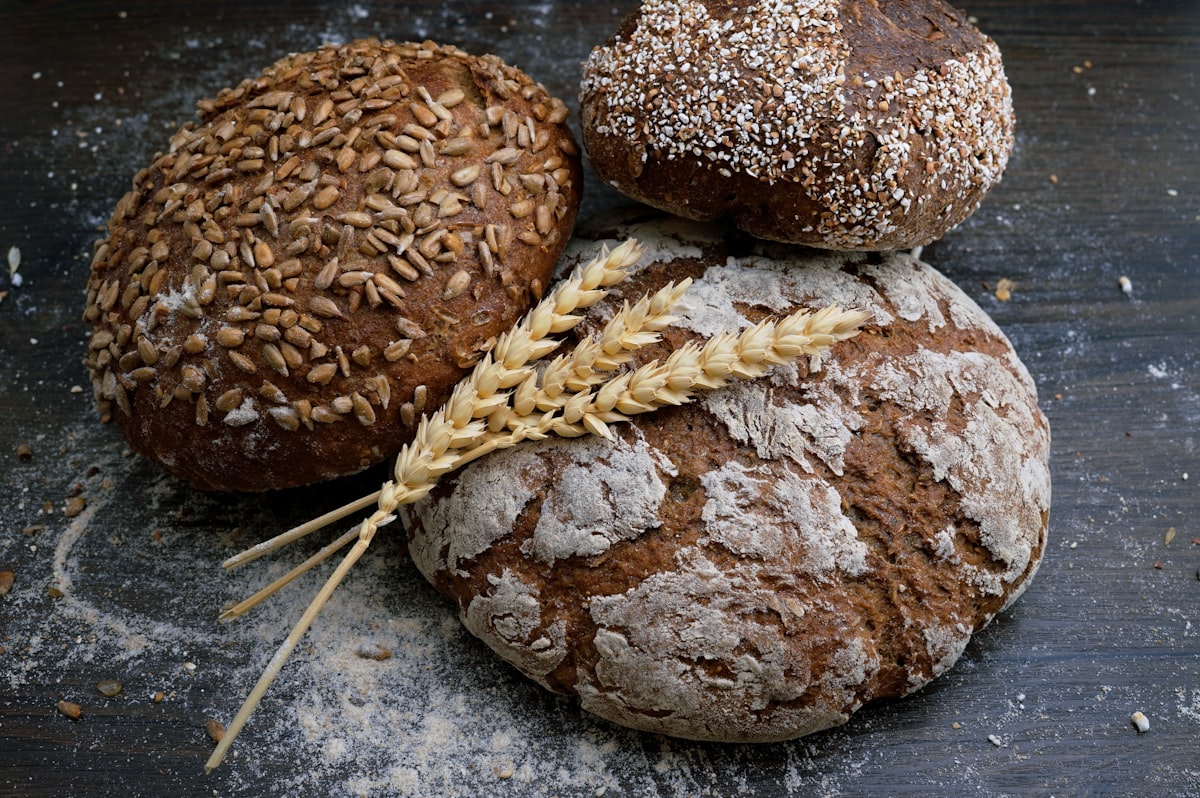
Mediterranean Farro Salad
Combine cooked farro with cherry tomatoes, cucumber, red onion, kalamata olives, and crumbled feta cheese. Dress with olive oil, lemon juice, and oregano for an authentic Greek-inspired dish that celebrates summer freshness.
View Recipe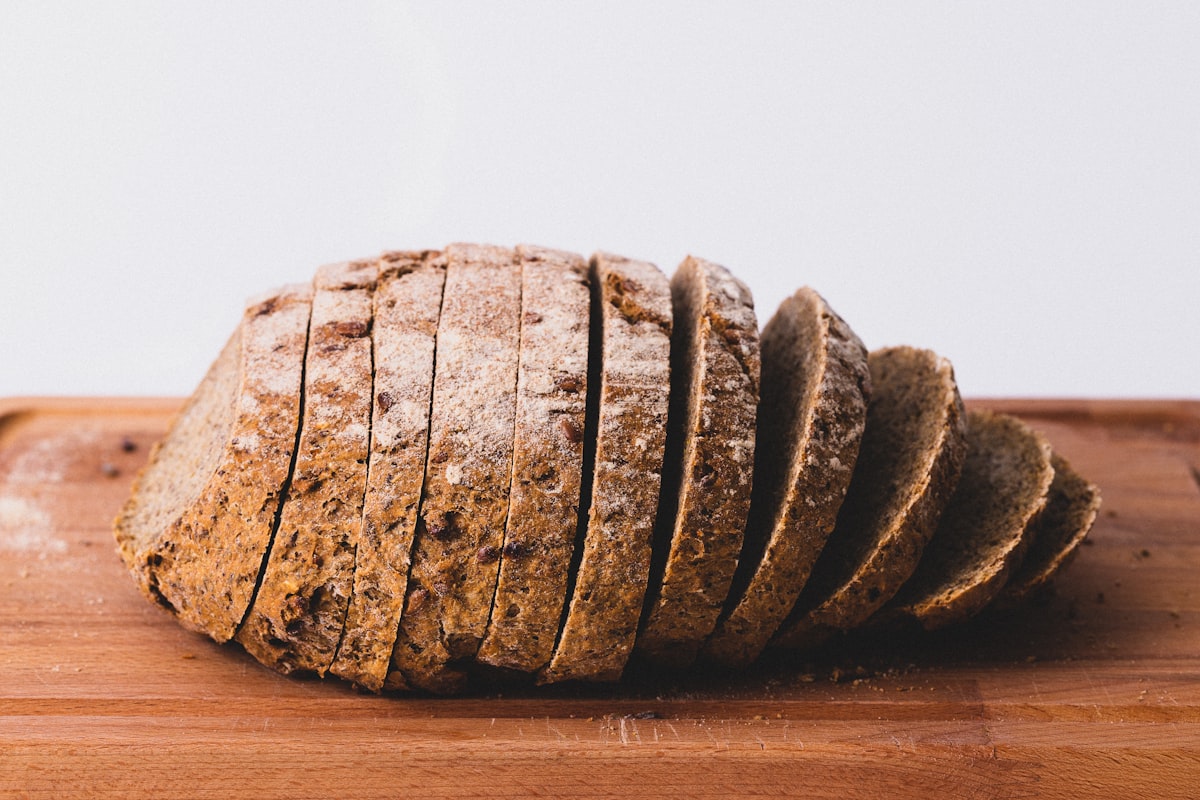
Creamy Spelt Risotto
Cook spelt in vegetable broth while gradually stirring in white wine and adding sautéed mushrooms, garlic, and onions. Finish with a touch of butter and Parmesan for a sophisticated Mediterranean twist on Italian risotto tradition.
View Recipe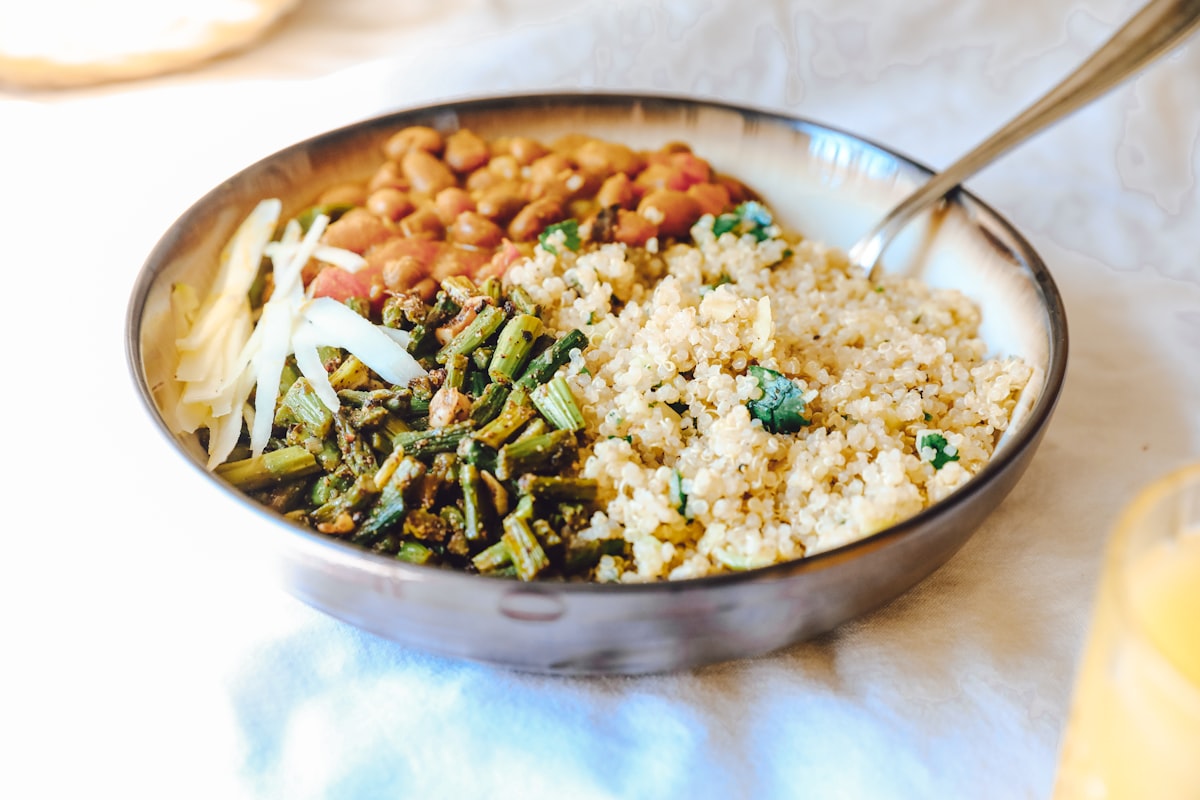
Barley Vegetable Soup
Simmer pearl barley with carrots, celery, zucchini, spinach, and herbs in a flavorful broth. This warming, traditional Greek-style soup delivers complete nutrition and satisfying texture in every spoonful, perfect for any season.
View Recipe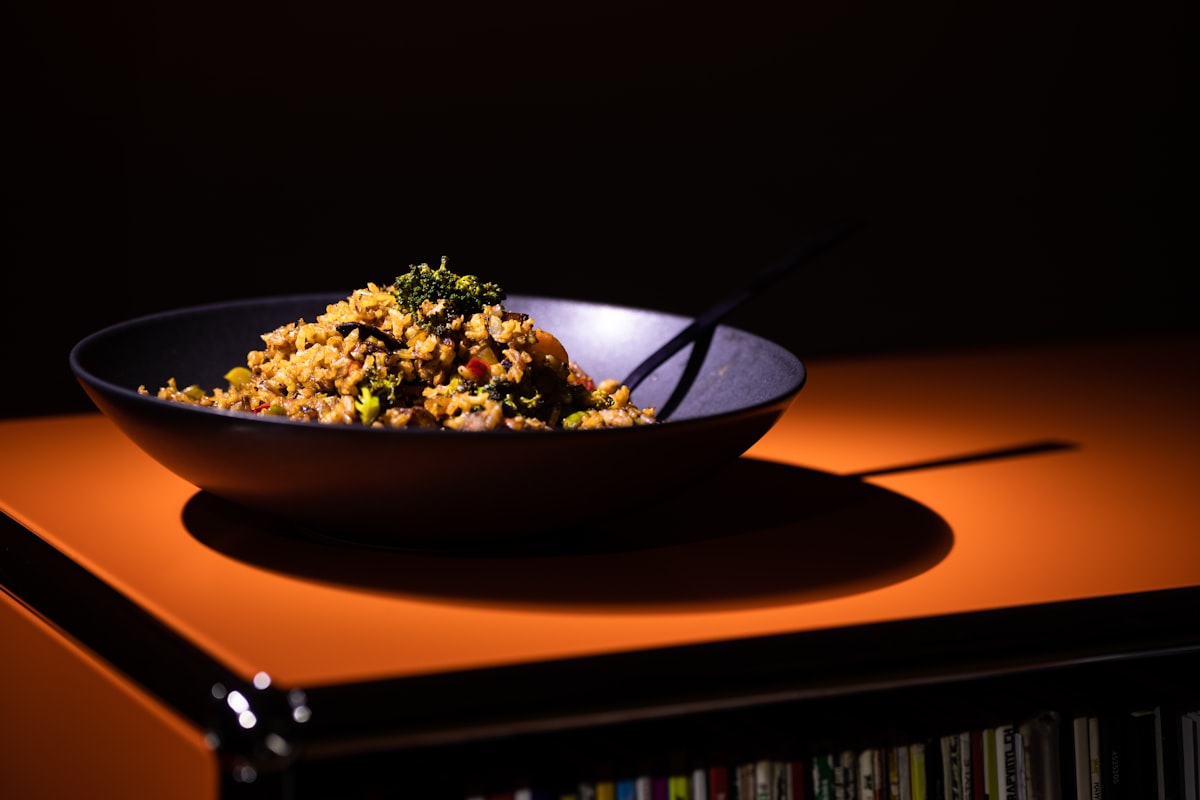
Roasted Vegetable Quinoa Bowl
Top fluffy quinoa with roasted bell peppers, eggplant, zucchini, and cherry tomatoes. Drizzle with tahini dressing and sprinkle fresh parsley for a nutrient-dense, visually stunning meal that's quick to prepare.
View RecipeCommon Whole Grain Cooking Questions
Water ratios vary by grain type. Use this guide as a starting point, then adjust based on your stovetop and desired firmness:
- Farro: 1 cup grain to 2.5 cups water
- Spelt: 1 cup grain to 2.5 cups water
- Kamut: 1 cup grain to 2.75 cups water
- Barley: 1 cup grain to 3 cups water
- Wild Rice: 1 cup grain to 3 cups water
- Quinoa: 1 cup grain to 2 cups water
Save extra liquid for adjusting consistency after cooking. If grains seem dry, add a splash of hot water and stir gently.
What Our Customers Say
Join thousands of people transforming their health with Nutritionpower's whole grains and nutrition solutions.
"Switching to whole grains from Nutritionpower has completely changed my energy levels. I feel fuller longer and my digestion has never been better. Highly recommend!"
Sarah Martinez
Fitness Coach, California
"As a nutritionist, I trust Nutritionpower for my clients. The quality is exceptional, and I love how accessible they make whole grain nutrition education."
James Chen
Registered Dietitian, Texas
"I've tried many grain suppliers, but Nutritionpower stands out for freshness and customer service. My whole family loves the recipes and meal ideas!"
Emma Rodriguez
Home Chef & Food Blogger
Ready to Transform Your Health?
Start your whole grain journey today with Nutritionpower. Get premium quality grains, expert nutrition guides, and recipes delivered to your door.
Free shipping on orders over $50 | 100% Money-Back Guarantee
Nutritionpower
Premium whole grains and plant-based nutrition for a healthier you.